0
Days
:
00
Hours
:
00
Minutes
:
00
Seconds

+86-17727318291

HHOSOXHyudahasiohyu

BLOG
BLOG
Choosing the Right Safety Glass for High-Risk and Middle East Projects
2025-12-14 16:21:56
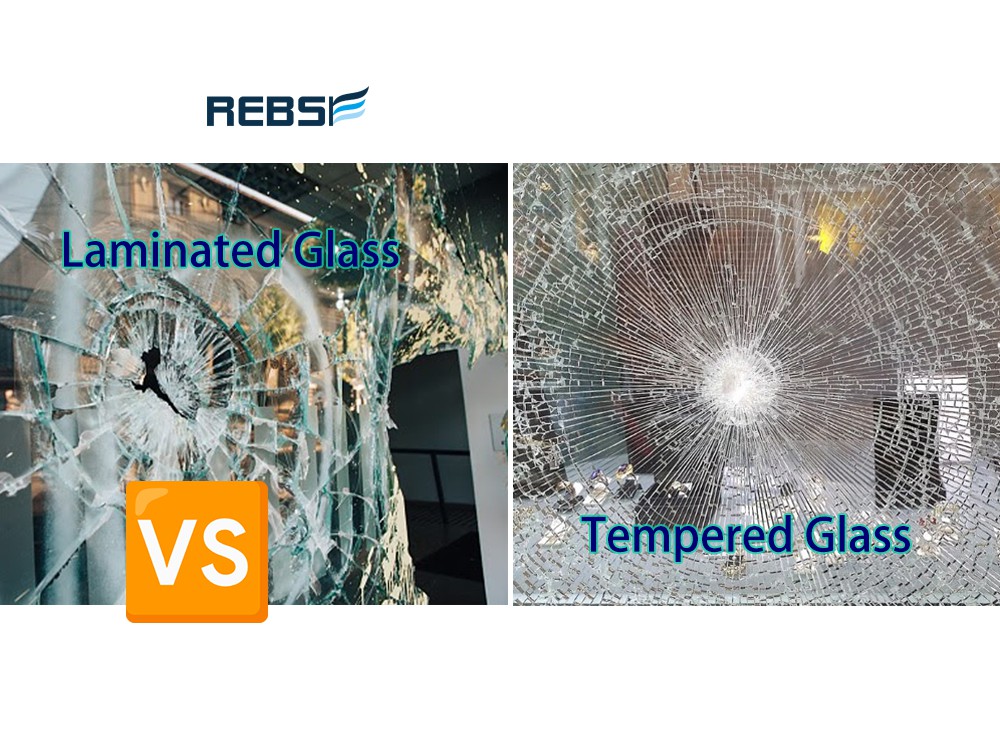
It is about risk control, occupant safety, and long-term building performance. From my experience working with window and façade projects—especially in hot, windy, and high-exposure regions like the Middle East—one thing is clear: Glass selection is rarely a design decision. Among all safety glass options, tempered glass and laminated glass are the most commonly discussed. Yet many project issues arise not because the glass is “bad,” but because the wrong type was selected for the wrong risk. Safety glass is often misunderstood as “glass that doesn’t hurt people when it breaks.” In real buildings, glass can fail due to: From a project perspective, the real question is: After the glass breaks, does the building still protect people and property? This single question separates tempered glass from laminated glass. Safety is not only about preventing injury—it is also about preventing failure. Laminated glass consists of two or more glass sheets bonded with an interlayer such as PVB, EVA, or SGP. Based on multiple projects I’ve seen, laminated glass consistently provides predictable behavior after impact. Even when cracked, the glass remains in place, continuing to act as a barrier. This is why laminated glass is widely used in: [Suggested Visual #1: exploded diagram of laminated glass layers] Tempered glass gains strength through heat treatment and is several times stronger than annealed glass. However, when it fails, it fails completely—shattering into small blunt fragments. From a safety standpoint, this is excellent for injury prevention. [Suggested Visual #2: tempered glass breakage pattern] This is where many costly mistakes happen. In one Middle East villa project I encountered, tempered glass was used for large ground-floor windows. After a storm-driven impact, the glass shattered safely—but the opening was fully exposed, leading to interior damage that far exceeded the cost difference between glass types. If post-break protection matters, laminated glass is not optional. In regions facing: Laminated glass systems—combined with reinforced frames—maintain building integrity far better than single tempered panels. This is why storm-rated and hurricane-rated windows almost always rely on laminated glass, not tempered glass alone. [Suggested Visual #3: wind pressure comparison chart] From a comfort perspective, laminated glass offers clear advantages: In hotels and residential towers, these factors directly affect occupant satisfaction. Laminated glass protects not just the building—but the living experience inside it. Interactive Question for Readers: If one panel breaks in your project, what is the worst thing that could happen? Yes, laminated glass costs more initially. In contrast, tempered glass is cost-efficient only when failure consequences are acceptable. The cheapest glass is not always the most economical solution. The industry is moving toward: In future projects, glass will not just be a material—it will be a performance system. Before deciding, ask yourself: Tempered glass protects people. Need help deciding? Contact us today for expert advice, a free consultation, or a detailed catalog. We’re ready to assist you!In today’s architecture, glass is no longer just about aesthetics or daylight.
It is almost always a risk decision.1. What “Safety Glass” Really Means in Real Projects
That definition is incomplete.2. How Structure Determines Performance
Laminated Glass: Designed to Stay in Place
Tempered Glass: Designed to Break Safely
From a building-envelope standpoint, it means zero remaining protection.3. Breakage Behavior: The Difference That Changes Projects
After Breakage Laminated Glass Tempered Glass Glass remains in frame Yes No Opening stays sealed Partially No Delays intrusion Yes No Injury risk Very low Very low 4. Performance in High-Risk Environments
Wind, Storms, and Pressure Changes
Acoustic Comfort & UV Protection
5. Choosing Glass by Risk Level, Not by Habit
Low Risk – Interior Safety
✅ Tempered glass works wellMedium Risk – Public Buildings
✅ Tempered or laminated-tempered combinationsHigh Risk – Security & Climate Exposure
✅ Laminated glass systems6. Cost vs. Value: A Long-Term View
But from a project manager’s perspective, it often reduces:7. Looking Ahead: Future Trends in Architectural Glass
Final Thoughts: Making the Right Choice
Laminated glass protects buildings—and reputations.
-

2025 Architectural Aesthetics--Why Minimalist Narrow Side Sliding Doors Are the Only Standard for High-End Homes
-
Choosing the Right Safety Glass for High-Risk and Middle East Projects
In today’s architecture, glass is no longer just about aesthetics or daylight.It
-
Casement vs Sliding Windows: Which Is Better for Hot Climate?
Casement vs Sliding Windows: Which Is Better for Hot Climate?In regions with lon
-
The Ultimate Guide: Casement Windows vs. Fixed Picture Windows for Middle East Projects
Positioning: A professional selection guide for B2B project buyers (developers,